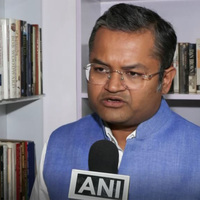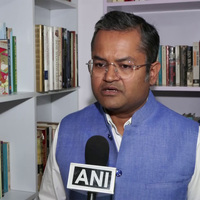


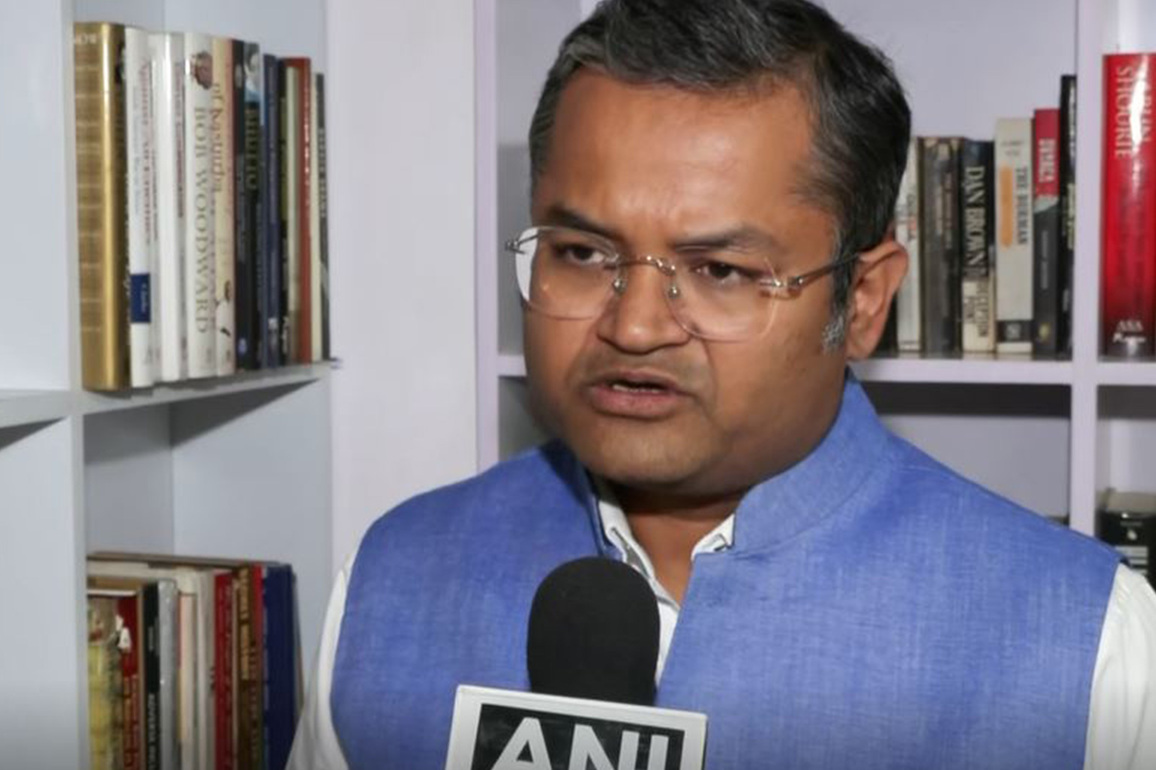
New Delhi [India], June 5 (ANI): Private sector capital expenditure in India is continuing despite concerns over weak investment activity, although it is not growing at the pace policymakers and industry would ideally like to see, Chief Economist for India at Bank of America (BofA), Rahul Bajoria, said on Friday.
'Private capex has been happening. Perhaps it's not happening at the pace we would like it to happen,' Bajoria said.
In an interview with ANI, Bajoria said businesses have had to navigate multiple disruptions over the past few years, including supply chain shocks, geopolitical conflicts and elevated inflation, which have affected investment decisions.
'A lot of companies have been dealing with a lot of supply shocks. Post-COVID, there has been several wars. We have seen supply chain issues. We have seen high inflation,' he said.
According to Bajoria, resilient demand conditions are nevertheless encouraging companies to add capacity.
'The fact that we are seeing demand conditions remaining relatively resilient means that you will see supply being added,' he said.
While acknowledging that private investment could improve further, Bajoria said the overall trend remains encouraging.
'Our view remains that the private sector is good but it could be better. From that perspective we see the situation as glass half full,' he added.
On the fiscal outlook, Bajoria said it was still too early in the financial year to assess whether the government would be able to maintain its fiscal deficit targets, despite receiving a record dividend from the Reserve Bank of India and witnessing strong investor interest in recent disinvestment offerings.
'It's only been two months in the new fiscal year to really take a call on the final picture,' he said.
He cautioned that rising commodity prices amid the ongoing West Asia conflict could put pressure on government finances.
'Naturally with the way commodity prices are, fertilizer prices have risen. We have seen pressure on other commodity prices, including petrol and diesel. There is pressure on the fiscal deficit to widen,' Bajoria said.
He noted that the government has so far remained committed to maintaining capital expenditure despite external challenges.
'What we are seeing though is that the government has kind of committed itself to not reducing capital expenditure,' he said.
At the same time, Bajoria said India's fiscal position has improved significantly over the past few years, providing some room to absorb external shocks.
'We have done a fair amount of consolidation over the last five years and so it does give us some fiscal space,' he said.
However, he warned that a prolonged conflict in West Asia could increase the likelihood of fiscal slippage.
'If things remain the way they are, you will see fiscal deficit coming under some pressure. The probability of widening if the war continues I think remains relatively high,' Bajoria added. (ANI)